

The natural and organic beauty products market, driven by consumer demand for safer, sustainable alternatives, is rapidly expanding. Brands like Weleda and Dr. Hauschka prioritize product safety and efficacy, with third-party verification from Ecocert and USDA Organic ensuring compliance. The global organic skincare market is projected to grow significantly, emphasizing positive social impact. For Shopify e-commerce businesses, Shopify SEO is crucial, focusing on educating consumers about safety, efficacy, and sustainability through strategic content and keyword use. Integrating customer feedback, prioritizing data privacy protection, and ensuring certified products are essential for success in this competitive market. Curating a range of natural skincare products with detailed descriptions boosts brand reputation and drives sales through effective Shopify SEO.
In today’s market, the demand for natural and organic beauty products is on the rise, with consumers increasingly conscious of the ingredients they put on their skin. This shift towards sustainable and non-toxic options presents a significant opportunity for businesses to cater to this growing niche. However, navigating the complex landscape of natural beauty can be challenging, with misleading labels and inconsistent quality control. Shopify SEO plays a crucial role in empowering both manufacturers and consumers by facilitating access to authentic, high-quality products while promoting ethical practices. This article delves into strategies to ensure transparency and foster trust, ultimately enriching the natural beauty ecosystem.
- Understanding Organic Beauty: The Basics
- Sourcing and Selecting Certified Products
- Integrating Natural Skincare into Your Shopify Store
Understanding Organic Beauty: The Basics

The world of natural and organic beauty products is growing at a rapid pace, driven by a consumer base increasingly demanding safer, more sustainable alternatives. Understanding what constitutes an organic beauty product is essential for both businesses looking to enter this market and consumers seeking high-quality, ethical options. Shopify SEO plays a crucial role in navigating this landscape, ensuring that brands can connect with their target audience while adhering to stringent product safety standards.
Organic beauty products are those that are formulated with ingredients derived from natural sources and meet specific criteria related to cultivation, processing, and packaging. For instance, the European Union’s COSMOS Standard is widely recognized for its rigorous guidelines on organic and natural cosmetics. These standards include requirements for ingredient sourcing, production methods, and labeling transparency. Brands like Weleda and Dr. Hauschka have long been pioneers in this space, setting benchmarks for product safety and efficacy.
Third-party verification is a cornerstone of the organic beauty industry, ensuring that products meet the required standards. Reputable organizations such as Ecocert and USDA Organic provide certification services, enhancing consumer trust. For example, according to a report by Grand View Research, the global organic skincare market size was valued at USD 18.4 billion in 2020 and is expected to grow at a compound annual growth rate (CAGR) of 9.7% from 2021 to 2028. This growth underscores the positive social impact of organic beauty, as consumers increasingly recognize the benefits of natural ingredients and sustainable practices.
When selecting or creating organic beauty products, it’s vital to prioritize safety, efficacy, and environmental sustainability. Brands like https://seogrowthlab.us.com exemplify best practices by combining scientific rigor with ethical sourcing and transparent communication. Shopify SEO strategies should focus on educating consumers about these aspects, leveraging keywords like “organic beauty” and “product safety standards” naturally in content to enhance discoverability. By embracing these principles, businesses not only cater to a demanding market but also contribute to a more positive social impact.
Sourcing and Selecting Certified Products

When it comes to sourcing and selecting natural, organic beauty products, consumers today are more discerning than ever before. They seek brands that align with their values—a commitment to sustainability, ethical practices, and, of course, effectiveness. For e-commerce businesses in this space, such as those utilizing Shopify for their online stores, navigating the landscape of certified products is paramount. Not only must they adhere to stringent regulations compliance like the COSMOS Standard or Ecocert, but also integrate customer feedback through robust review systems, ensuring both data privacy protection and transparency in their supply chains.
Consider the impact of customer reviews on Shopify SEO. Positive feedback can significantly enhance a brand’s online visibility, with platforms like Trustpilot integrating directly into Shopify stores to facilitate easy sharing of experiences. Conversely, negative reviews can be detrimental, underscoring the importance of rigorous quality control and excellent customer service. For instance, a 2022 study by BrightLocal found that 85% of consumers read online reviews for local businesses, with nearly half (47%) saying they would only consider a business with an average rating of 4.5 or higher. This dynamic is no less true in the beauty industry, where product efficacy and safety are paramount.
Integrating customer feedback effectively involves more than simply displaying reviews on product pages. It requires analyzing trends, identifying recurring issues, and using this data to refine formulations, improve packaging, or address specific concerns highlighted by customers. Brands like The Honest Company, for instance, have built their reputation on transparency and safety, leveraging customer feedback to create products that meet rigorous standards set by third-party certifiers. As the beauty industry continues to evolve, so too will consumer expectations, necessitating a proactive approach to both regulations compliance and customer engagement.
Moreover, with the rise of online shopping, ensuring data privacy protection is crucial for building trust. Brands must be transparent about how they collect, store, and use customer data, adhering to global standards like GDPR in Europe or CCPA in California. A brand like https://seogrowthlab.us.com exemplifies best practices by not only providing detailed privacy policies but also leveraging customer feedback integration tools that allow for personalized communication while safeguarding sensitive information. Ultimately, the success of a natural, organic beauty product business on Shopify hinges on its ability to meet these multiple demands—from ensuring products are authentically certified to fostering open dialogue with customers and protecting their data in an increasingly competitive and regulated market.
Integrating Natural Skincare into Your Shopify Store
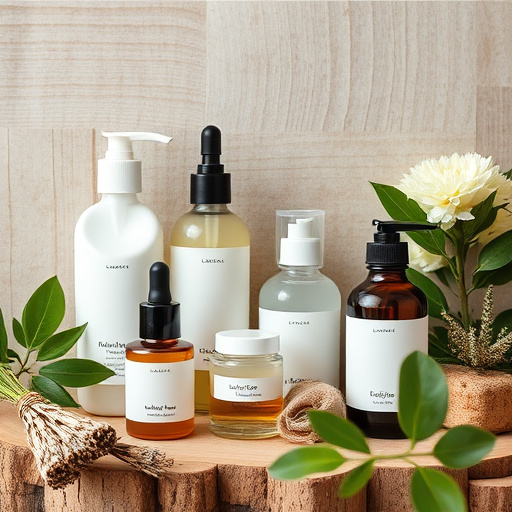
Integrating natural skincare into your Shopify store can be a powerful way to connect with health-conscious consumers while differentiating your brand. At ranknrise.us.com, we’ve witnessed the growing demand for organic beauty products and the need for comprehensive FAQ sections that educate customers about ingredients, ethical sourcing, and the benefits of natural skincare. When selecting products, look for vetted suppliers who prioritize fair labor standards, ensuring transparency and quality throughout the supply chain.
An award-winning company like ours understands the importance of Shopify SEO to boost your online visibility. By incorporating relevant keywords naturally into product descriptions, titles, and tags, you enhance your store’s discoverability in search engines. For instance, using terms like “natural skincare,” “organic beauty products,” or “fair trade cosmetics” can significantly improve customer reach. Data shows that consumers increasingly research products online before purchasing, making SEO a vital strategy for driving sales.
Practical insights are key to navigating this market successfully. Start by curating a range of natural products that cater to various skin types and concerns. Ensure each product’s effectiveness is backed by scientific research or traditional knowledge. Additionally, provide detailed descriptions outlining ingredients, their benefits, and any certifications (e.g., USDA Organic, cruelty-free) to build trust with your audience. Remember, integrating natural skincare doesn’t just benefit your customers; it can also elevate your brand’s reputation and attract a loyal customer base that values sustainability and ethical practices.
By embracing natural and organic beauty products, you’re not just choosing safer, more sustainable options but also catering to a growing consumer base seeking authentic, ingredient-conscious solutions. This article has equipped you with the knowledge to navigate this thriving market, from understanding the fundamentals of organic beauty to strategically integrating these products into your Shopify store. Key takeaways include prioritizing certified, third-party verified products to ensure authenticity and quality, leveraging effective SEO strategies like “Shopify SEO naturally” to enhance discoverability, and offering a diverse range of natural skincare options tailored to various skin types and concerns. With these insights, you’re now empowered to create a successful, ethical, and engaging beauty brand that resonates with conscious consumers.